CRITICAL WINTER MOUNTAINEERING WARNING — MT. DAISEN (TOTTORI, JAPAN)
DO NOT Climb Mt. Daisen in Winter Without Full Alpine Gear. Even If You Climb Up, You CANNOT Get Down.
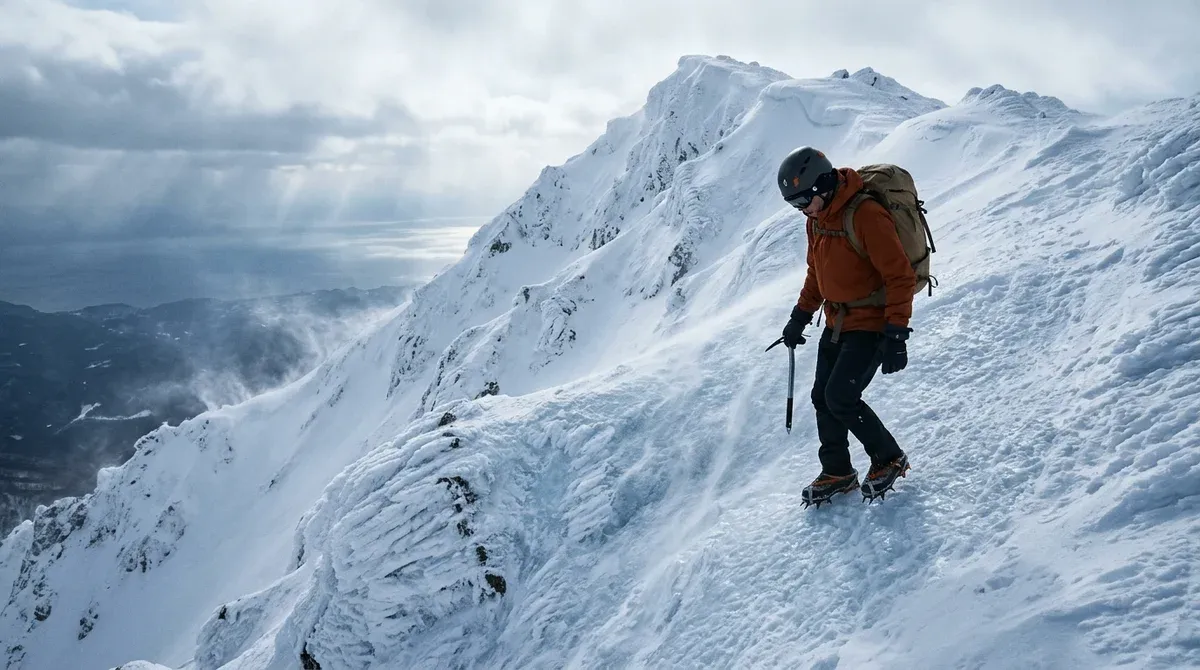
Mt. Daisen (Hōki Daisen) is only 1,729 m (5,673 ft) high, fooling many international hikers into treating it like a sub-alpine forest trail. In mid-winter (December–March), fierce Siberian blizzards straight off the Sea of Japan turn everything above the 6th Station (1,300 m / 4,265 ft) into an exposed, 3,000 m-class (10,000 ft-class) alpine ice wall with wind chills plunging to -20°C to -30°C (-4°F to -22°F) and gusts of 20–30 m/s (45–67 mph).
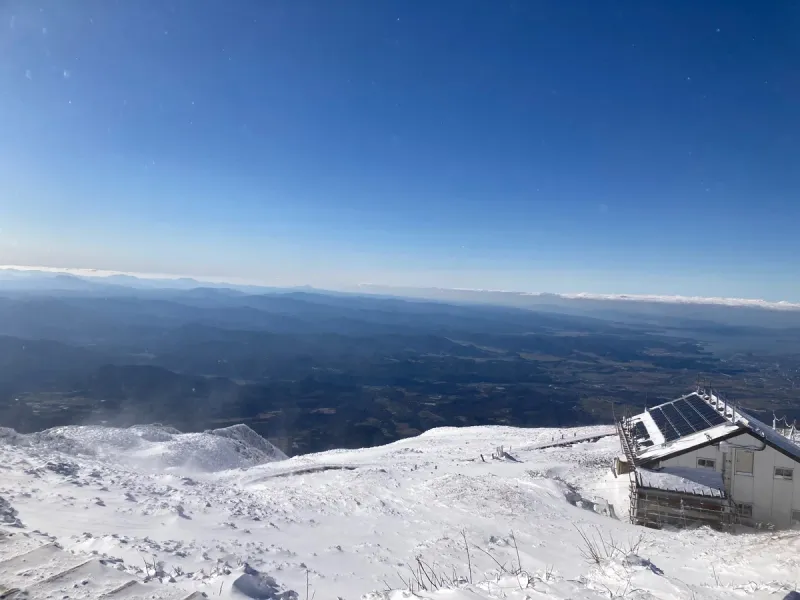
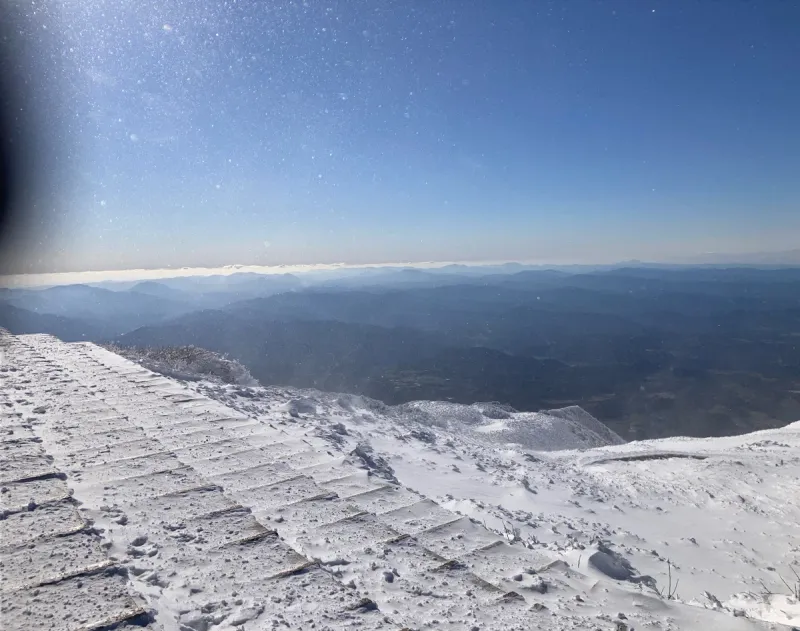
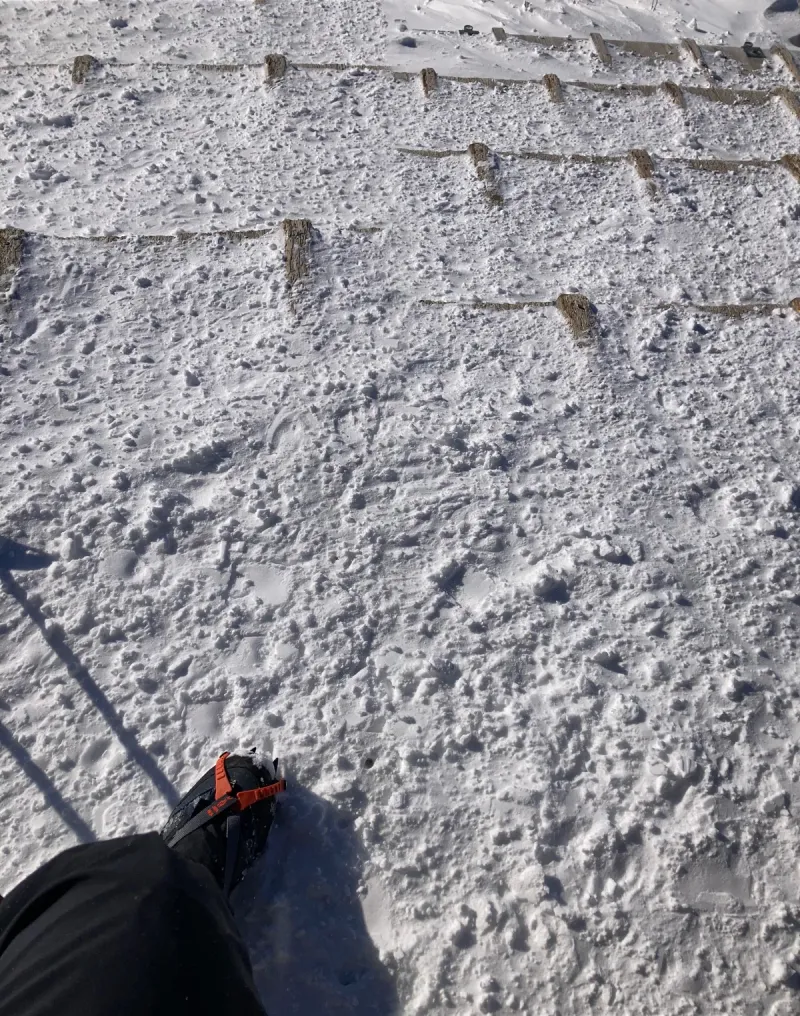
4 Lethal Traps That Kill Unprepared Hikers on Mt. Daisen
Complete Disappearance of Trees & Safety Ropes Above the 6th Station
Up to the 5th Station, tall beech trees block the wind and packed footsteps let almost anyone walk up. Above the 6th Station (1,300 m / 4,265 ft), deep snow completely buries all dwarf shrubs, wooden walkways, stairs, and safety ropes. There is NOT A SINGLE TREE left to block 50+ mph winds, stop a sliding fall, or guide you in a sudden whiteout.
8th to 7th Station: Buried Switchbacks Force a Terrifying Straight-Down Descent
In summer, switchbacks and log stairs tame the steep slope between the 7th and 8th Stations. In winter, those switchbacks are buried meters deep under solid snow and ice. You have no choice but to climb straight up and descend straight down an exposed 30°–35°+ icy wall. Even experienced mountaineers wearing 12-point crampons and gripping an ice axe tense up on this pitch. If you reach the 8th Station in microspikes, your heels WILL blow out on the very first step down.
Why "Body Heat + Thin Layers" & "Microspikes + Poles" Are Death Sentences
1) Western hikers often run warm while climbing the sheltered forest up to the 5th Station, sweating in thin base layers or light fleece. Stepping onto the treeless 6th Station ridge in sweat-soaked clothes into 45–65 mph freezing gales triggers rapid evaporative heat loss, frostbite, and fatal hypothermia (core body temp below 35°C / 95°F) within minutes. 2) Microspikes / traction cleats / ice grippers (~1 cm teeth on rubber bands) DO NOT penetrate hard alpine ice and ball up with afternoon slush like ice skates. Trekking poles / walking poles snap or bounce off when you slip—self-arrest without a real mountaineering ice axe is physically impossible.
Lesson from the Mt. Fuji Off-Season Rescue Scandal — And Daisen Has NO Gate
In April 2025, an off-season climber on icy Mt. Fuji had to be airlifted after losing his crampons ("climbed up, could not get down"), then returned 4 days later to retrieve his phone and needed a second rescue—sparking nationwide outrage and moves to charge reckless climbers huge rescue fees. Worse still, unlike Mt. Fuji, Mt. Daisen has NO closed gate in winter because it stays open for fully equipped alpinists. "No gate" does NOT mean safe—nobody will stop you from walking into a fatal trap, and your mistake puts local rescue teams' lives on the line.
Equipment Reality Check (6th Station & Above)
❌ NEVER Attempt With These (Guaranteed Fall / Hypothermia)
- Microspikes / chain spikes / traction cleats / 4–6 point light crampons (Note: In Japan, crampons are called "Aizen"—do NOT confuse full crampons with microspikes!)
- Trekking poles / walking poles ONLY (useless for stopping a slide on steep ice)
- Sneakers, trail runners, or 3-season hiking boots (crampons pop off; toes freeze)
- Sweat-soaked thin hoodies, cotton, or light windbreakers without a stormproof hardshell
✅ Mandatory Gear & Skills Above the 6th Station
- Insulated rigid/semi-rigid winter mountaineering boots (B2/B3 class) + gaiters
- Steel 12-point mountaineering crampons with front points (properly fitted beforehand)
- Mountaineering ice axe ("Pickel") + practiced self-arrest & crampon descent skills
- Stormproof Gore-Tex/hardshell jacket & pants, insulated parka, balaclava, ski/alpine goggles, winter gloves + dry spares
- Offline GPX map (YAMAP / Yamareco / Garmin), headlamp, emergency shelter, and filed Climbing Plan (Compass / Tottori Police)
🛑 THE SURVIVAL RULE: Turn Back at the 5th or 6th Station
If you lack ANY of the mandatory alpine gear above—or if wind and clouds hit the 6th Station—DO NOT take a single step higher. Enjoy the snowy beech forest around Daisenji Temple and return alive. Turning back is not failure; climbing past the 6th Station unprepared is.
🚑 Emergency & Official Climbing Registration (Japan)
- Police (Mountain Rescue): Call 110 | Fire & Ambulance: Call 119
- Mandatory Climbing Plan (Tozan-todoke): Submit online via "Compass" (mt-compass.com) or at the Daisenji Police Box before entering.